
Skip

Exhibitor search 2026
Laumas Elettronica S.r.l.
Trade fair innovation
Product: Accredited calibration laboratory LAT N.02141

Accredited calibration laboratory LAT N.02141

Laumas Elettronica S.r.l.

Description

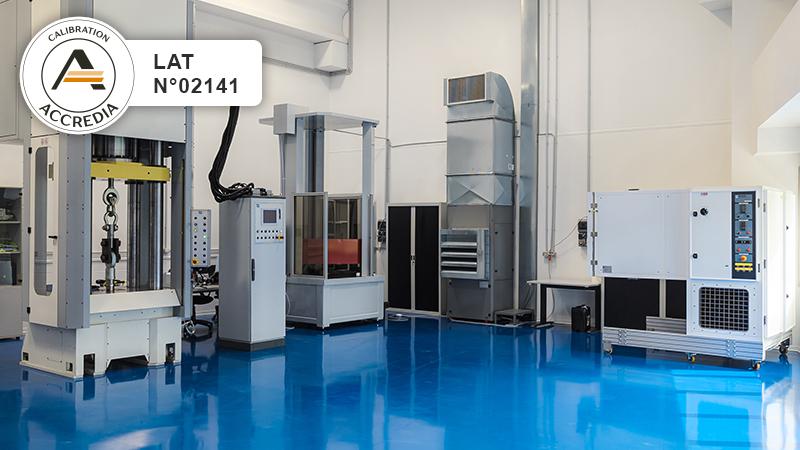
The LAUMAS calibration laboratory LAT N.02141, accredited by Accredia (the Sole National Organization for accreditation designated by the italian government) is in compliance with the international standard ISO/IEC 17025 "General requirements for the competence of testing and calibration laboratories".

The laboratory offers various services for the calibration and quality control of weighing components:

ACCREDITED CALIBRATIONS

The laboratory performs accredited calibrations for forces from 2 kN to 100 kN, carried out in compression and tension, of load cells with capacities from 1000 kg to 10,000 kg with or without a connected weight indicator or transmitter.

Calibration can be requested either when purchaising new products or for components already in use, of any manufacturer.

The accreditation attests the competence, independence and impartiality of the laboratory and ensures the metrological correctness of the methods of measurement used (specifically, our procedures follow standards ISO 376 and ASTM E74).

The Accredia calibration certificate issued by LAUMAS is an official document recognized worldwide because it is covered by the EA Mutual Recognition (valid in Europe), IAF (international) and ILAC (international).

CALIBRATION REPORTS

The laboratory also performs calibration tests valid for quality control for the purposes of the standards UNI EN ISO 9001.

The calibrations are performed on load cells with capacities up to 500,000 kg (5000 kN) in compression and up to 60,000 kg (600 kN) in tension.

They are performed at ambient temperature and, in request, for forces up to 100 kN (10,000 kg), they can also be carried out at temperatures of between -20 °C and +200 °C.

Unlike accredited calibrations, these are performed using metrological procedures inside the laboratory, therefore their result do not have the value of an officially recognized document.
More products by Laumas Elettronica S.r.l.

Trade fair innovation
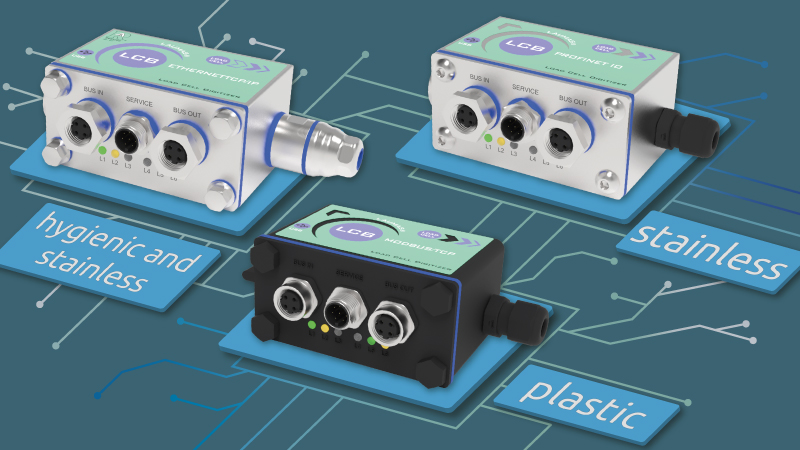
LCB load cell digitizer: plastic version and hygienic version

LCB load cell digitizer: plastic version and hygienic version

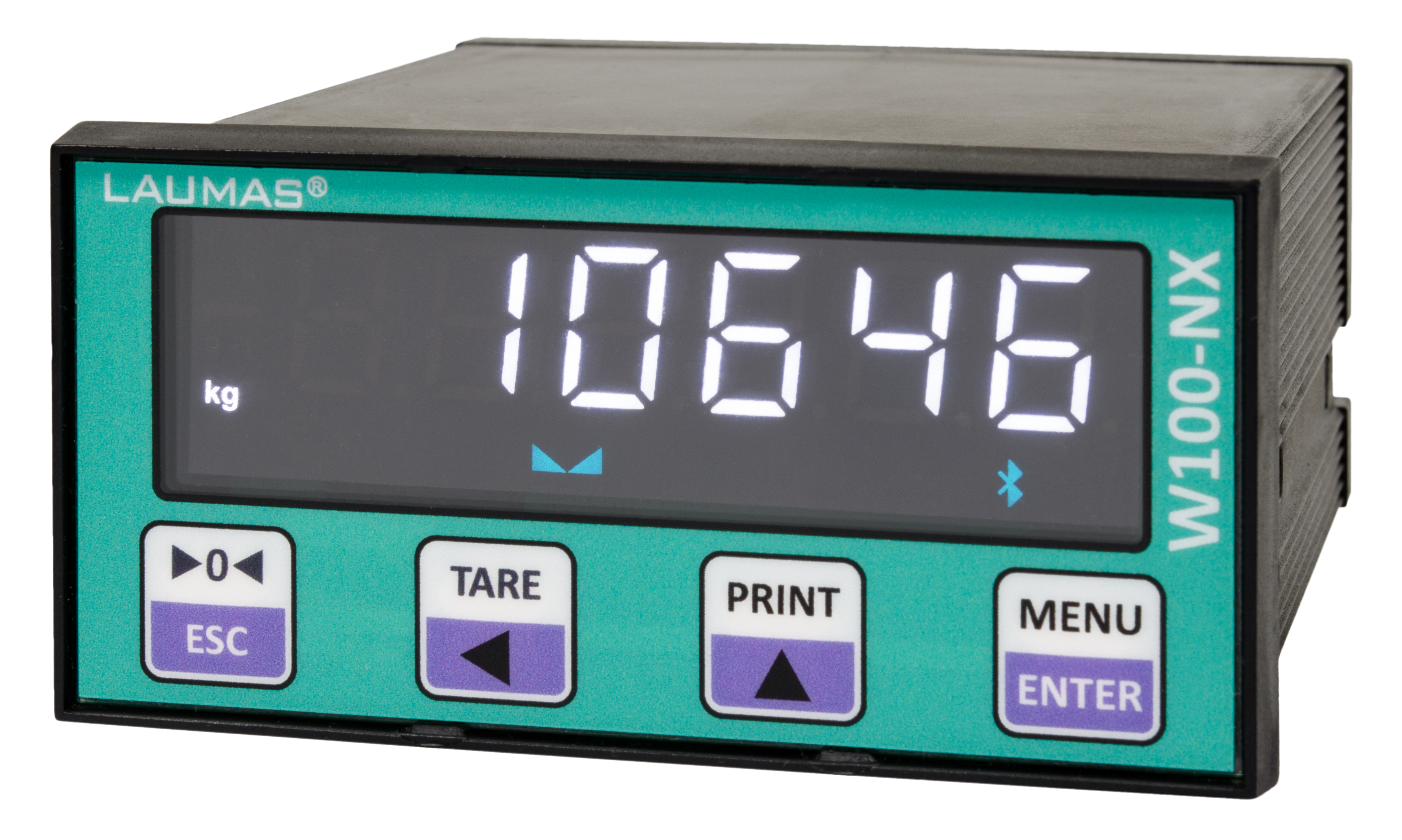
The LCB is our load cell universal digitizer that transforms any analog load cell into a digital lod cell.

We have improved the performance of the classic LCB model, made of AISI 304 stainless steel, and diversified our offering with two new versions.

THE NEW VERSIONS

▷ Plastic version: with a new PA66 nylon container reinforced with fiber glass. It is definitely the most advantageous model in financial terms.

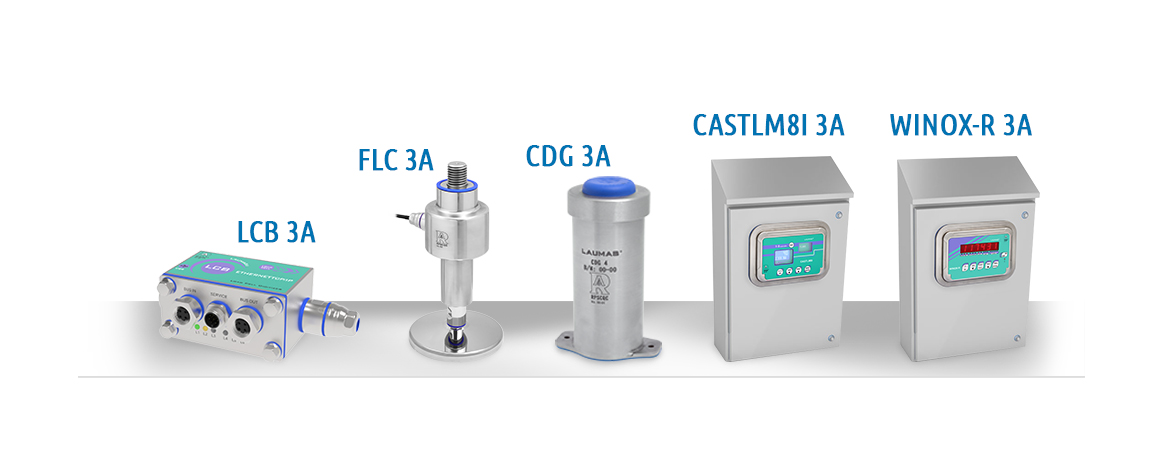
▷ Hygienic version: with a new AISI 304 stainless steel container certified 3-A Sanitary Standards. This model is perfectly sanitizable, and it is ideal for applications in sectors where hygiene is an important or necessary requirement.

Both of the new models keep the main features of the classic LCB, among which the IP67 protection rating and the availability on the instrument of two program versions:

  • BASE program, for setting the setpoint values;
  • BATCHING program, for single program loading.

IN WHAT WAY HAS LCB IMPROVED?

Our R&D department has developed tangible improvements:

▷They are faster: the weight calculation frequency reaches up to 500 values a second and also the update frequency of the data on th efieldbus can reach the maximum speed of 500 updates a second, when using the PROFINET, EtherNet/IP and EtherCAT buses.

▷ It is more convenient to configure and manage them: as a matter of fact they are now compatible with Instrument Manager, the free software for managing LAUMAS electronic instrumentation from a PC.

▷ It is easier to communicate with the PLC: the choice among the already many fieldbuses is expanded with the new CC-LINK IE Field Basic, based on Ethernet technology.

▷ They are more versatile: as well as the classic assembly integral with the body of the load cell, wall mounting of the classic LCB and the plastic version is now possible, using the mounting supports with fixing holes. In this way the digitizer can also be used as a normal weight transmitter that, coupled with a junction box, can manage up to 4 load cells connected in parallel.